
Blog

  • iPhone 15 Premiere – a closer look at all the changes.

    iPhone 15 Premiere – a closer look at all the changes.

    As technology enthusiasts, we always eagerly anticipate what Apple has in store for us during their conferences. This time was no different, and it wasn’t just us; over 2.2 million people were watching the live announcements on YouTube.

    Last night, this event was particularly exciting as it marked the grand premiere of the iPhone 15, and we can confidently say that Apple has once again pushed the boundaries of innovation.

    However, will what the new devices offer be enough to convince existing users to upgrade immediately? Especially considering that the prices of the devices have been raised once again.

    During the iPhone 15 premiere, a quartet of devices was showcased, including the iPhone 15, iPhone 15 Plus, iPhone 15 Pro, and iPhone 15 Pro Max. These devices promise a range of changes that are sure to catch the attention of technology enthusiasts worldwide.

    One of the most significant but expected changes is the introduction of dynamic islands to every model, a feature previously exclusive to the iPhone 14 Pro and Pro Max. This feature was particularly well-received by users last year, so it was natural to see this technology being carried over to the new models.

    Among our customers, we witnessed a significant trend of opting for better devices – the iPhone 14 Pro and Pro Max were the most frequently subscribed devices in our offering throughout the past year.

    What aspects unknown to us from previous models were considered in the production of the iPhone 15?

    Apple made a crucial move towards standardization by introducing the USB-C port across all models, ensuring faster charging and data transfer.

    source: https://www.apple.com

    The battery capacity has also been increased by 12%, providing more endurance for challenging days. Interestingly, iPhone 15 users will be able to charge their AirPods Pro (2nd generation) or Apple Watch directly from the iPhone through the new port so this increased battery may come in handy.

    One of our favorite changes is the shift to a titanium construction, which we were able to experience earlier with the Apple Watch Ultra. We are particularly intrigued by this move, given the rise in popularity of used iPhones and the common problem of damaged casings. Every month, we see several phones returning to us, and it’s rare for them to be in perfect condition. Therefore, we can’t wait to see if the titanium casing truly impacts the durability of iPhones over an extended period of use.

    It’s worth noting the camera improvements, with a 48MP primary sensor and a 12MP ultra-wide-angle sensor that will surely delight photography enthusiasts. Furthermore, the camera interface now features a long-awaited quick zoom button.

    An unusual addition is the new action button, previously known as the volume mode switch. Instead of toggling, we will simply press it to switch between silent and normal mode.

    What’s even more interesting is that it can be customized to perform various tasks, such as launching the camera, opening frequently used apps, or simply taking screenshots. In short, even greater customization possibilities for your iPhone to meet your needs and expectations. We like that!

    However, not all the changes we expected have been included; the base models still operate with a 60Hz refresh rate. For those seeking a more efficient device, the Pro and Pro Max models will be more suitable.

    source: https://www.apple.com

    Now, let’s move on to the key pricing information.

    iPhone 15 starts at $899.

    The larger iPhone 15 Plus is priced at $999.

    iPhone 15 Pro comes in at $1199.

    iPhone 15 Pro Max / Ultra commands a price of $1299.

    Market opinions are divided. Some believe that the introduced changes don’t justify the cost of upgrading to the latest Apple model.

    For those looking for an alternative, subscription services present an attractive option. By paying a fixed monthly fee, users can enjoy the latest technology each year, with minimal impact on their budget. This trend is expected to continue with future releases, offering technology enthusiasts a straightforward and cost-effective option to stay up-to-date without significant one-time investments.

  • Circular economy is a way to responsible business. Where is the best place to start?

    Circular economy is a way to responsible business. Where is the best place to start?

    In today’s world, where our natural resources are being increasingly exploited, inevitably leading to their depletion, and environmental pollution is on the rise, we need to change our approach to the economy. The answer is the increasingly popular model of the circular economy.

    What is a circular economy?

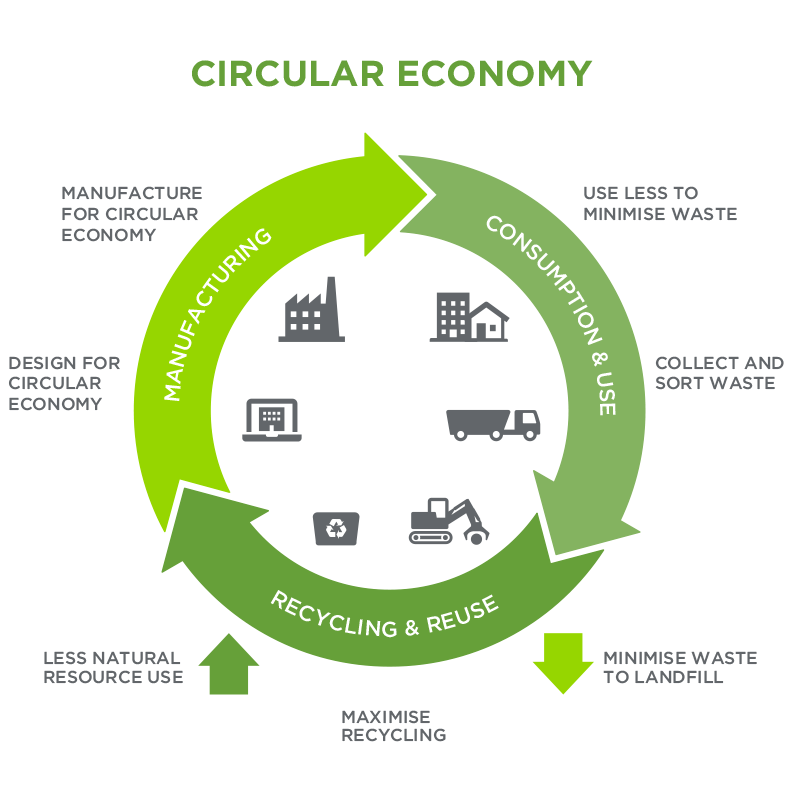
    The circular economy is an approach in which products are designed and used in a sustainable manner, thus minimizing waste and using resources more efficiently. Unlike the traditional linear model of the economy, where raw materials are extracted, processed into products, and then discarded after use, the circular economy aims to close the material cycle to minimize waste and use resources more efficiently.

    Why is it so important for the life cycle of objects, materials, or products to remain closed?

    The most obvious reason is to minimize the amount of waste. We should start by using our resources more efficiently and then subjecting them to appropriate recycling. This reduces greenhouse gas emissions and limits the amount of waste that ends up in landfills or pollutes the air and water. According to the World Health Organization, approximately 2.01 billion tons of waste are produced worldwide each year. The number is huge, and what is most alarming is that it continues to grow. It is estimated that by 2050, the amount of waste could increase by as much as 70%.

    Acting according to the circular economy allows for an increase in the efficiency of resource utilization. This reduces the costs associated with the purchase of raw materials and waste, as well as the costs of their storage and transportation.

    Equally important, the circular economy promotes the development of innovative technologies and products. Promoting repair and reuse of products after use, as well as designing products with recycling in mind, requires the use of modern solutions and technological processes. Thanks to this, the circular economy contributes to increased competitiveness and employment.

    source: https://www.futurerecycling.com.au/sustainability/circular-economy/

    The main principles of action consistent with the circular economy

    1. Minimizing waste and using resources more efficiently: Designing products with reuse in mind, as well as promoting repair and reuse of products after use.

    2. Introduction of sustainable development principles: In the circular economy, sustainable development principles are key. This means that resources and materials are used in a way that does not exceed the natural ability of ecosystems to regenerate and also minimizes negative impact on the environment.

    3. Encouraging cooperation between stakeholders: In the circular economy, cooperation between various stakeholders such as producers, suppliers, customers, service technicians, and recycling companies is important. This cooperation allows for the creation of a closed cycle in which products are reused, and waste is minimized.

    How does subscription fit into the principles of the circular economy?

    The prevailing consumerism results in the market being flooded with billions of products, whose lifecycle manufacturers are unable to control. The shift in thinking that will lead us to limit the number of items we purchase is revolutionary and not everyone is on board with it.

    Subscription is a compromise between our desire to have and to be (having the ability to use devices or items that may not be essential to us, but significantly affect our comfort of life, while not adding another brick to the destruction of the environment).

    Instead of buying products that will be discarded after use, a subscription allows access to them for a certain period of time, after which they are returned to the manufacturer or the subscription company. This gives them the opportunity for regular servicing and refurbishing of devices, significantly extending their lifespan and enabling them to be reused by multiple subsequent customers.

    In the traditional linear economy model, producers must acquire new resources to produce new products. Subscription, on the other hand, favors more efficient resource utilization. It is precisely because they can be reintroduced to the market, rather than acquiring new resources for the production of new ones.

    What small steps can we take to bring our company one step closer to operating in line with the circular economy?

    Transforming your business in accordance with the principles of the circular economy is a long process that requires systematic work and significant changes. However, there are actions that we can start taking right away.

    1. Implementation of item subscriptions that we produce or distribute. WeSub offers free tools that enable the addition of a subscription as a payment method to the standard purchase offer.

    2. Appropriate emphasis on the service of offered devices, offering additional insurance, regular servicing, and ensuring high-quality spare parts can significantly extend the product’s lifecycle, so let’s encourage customers to use our additional services.

    3. Introduce items with a longer lifespan, good quality raw materials from which the item is made, along with the ability to exchange individual parts, will allow for maximum use of the device before its disposal.

    4. Minimizing waste by reducing the amount of paper used, using e-invoices, or ceasing to use disposable products are the smallest steps we can take. Let’s also make sure to use eco-friendly packaging for shipments.

    We don’t have to take all these steps at once, but it’s worth taking care of the business awareness that the need to change our linear economy to a circular one is real and requires attention here and now. The sooner we join this revolution, the more time we will have to adapt properly.

  • New Partner – Bike Café!

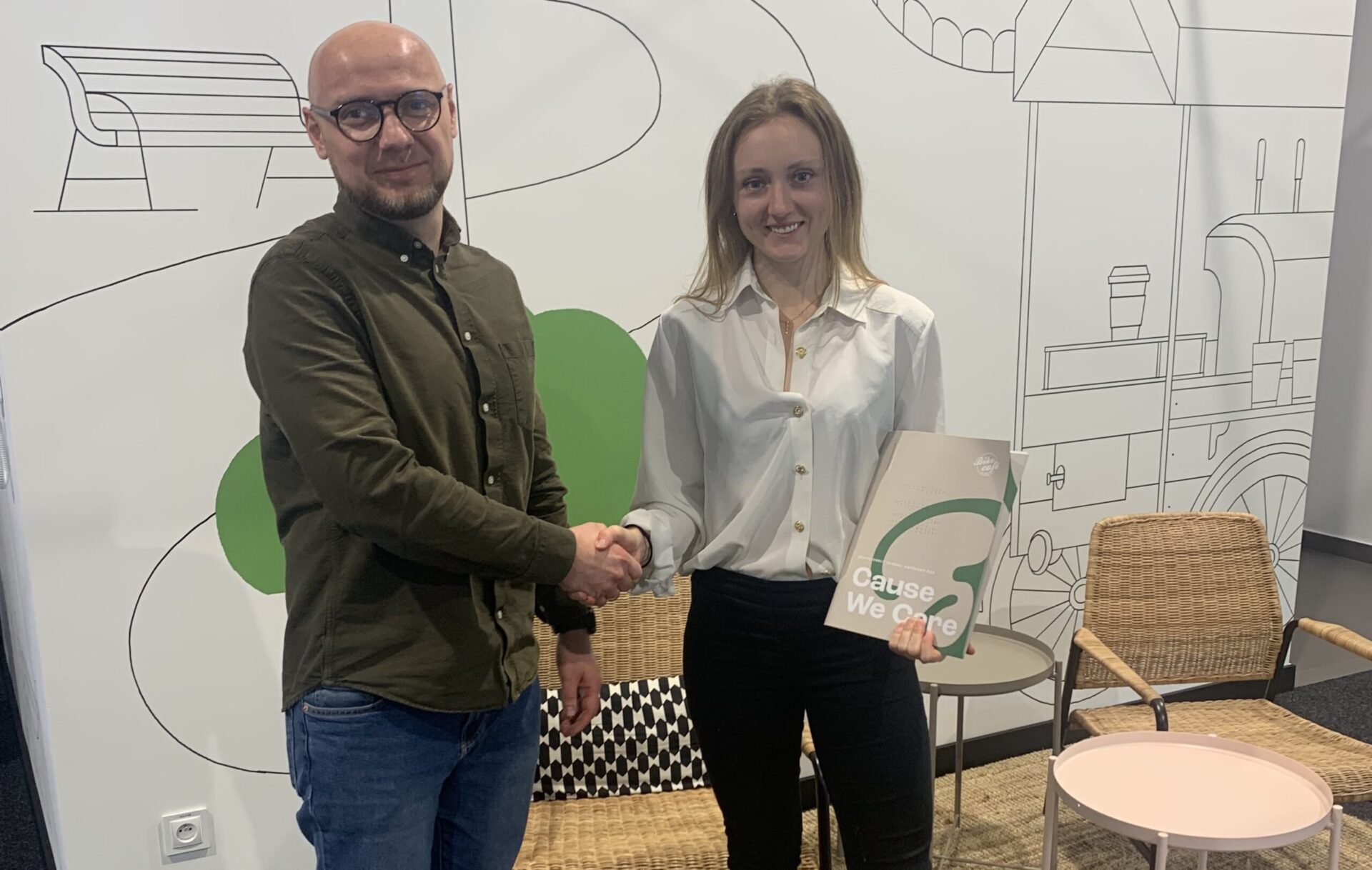
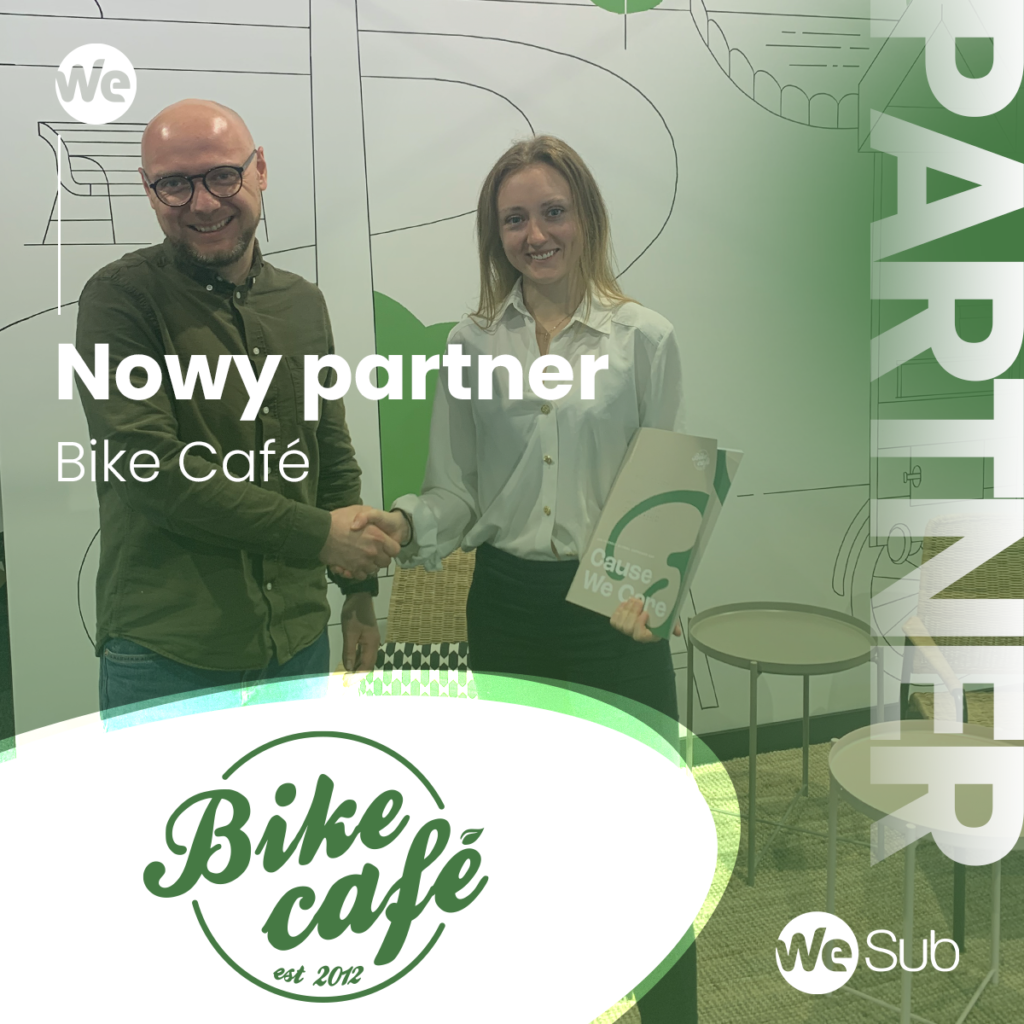
    New Partner – Bike Café!

    Bike Café is the first chain of bicycle cafes in Poland

    The first bike was built in 2012 in Poznań, today, after 10 years, the brand can boast over 100 units all over Europe – 4 cafes have even reached Saudi Arabia, thus starting the expansion to other continents. Bicycle cafes delight the eye of passers-by with their original design and have a city-forming element – they create new meeting places, in parks, squares and places where previously you could only dream of good coffee!

    While observing the market and following the changing expectations of our customers, we decided to jointly create the Bike Café franchise subscription program. It will allow you to run your own mobile cafe at an even lower price, based on monthly fees for the use of the necessary devices! Maximize your profits, reduce costs, without being bound by long contracts or incurring large investments to start.

    It is a ready-made solution, thanks to which you do not have to make long-term commitments or heavy decisions.


    Subscription to the Bike Café franchise is virtually risk-free.


    The mobile coffee shop itself is an extremely flexible and unique solution, just like the subscription models that are slowly conquering many businesses. We believe that it is the combination of appropriately selected innovations that will soon conquer the market, and we, together, will be an integral part of it, paving the way for new entrepreneurs.


    Do you want to know more about our product?
    Go to ➡️ www.sub.bikecafeglobal.com
    Contact 📩 franchising@bikecafe.pl

  • The Sharing Economy: How Equipment Subscription is Revolutionizing Our Consumption Habits

    The Sharing Economy: How Equipment Subscription is Revolutionizing Our Consumption Habits

    In the digital age, concepts such as the sharing economy are gaining increasing popularity. But what exactly does this term mean, and why is it becoming so significant in today’s world?

    In a world where digital technology enables easier access to resources and services, and environmental awareness is growing, the sharing economy becomes an answer to new social and economic needs. It is a model that transforms the traditional approach to consumption and ownership, promoting more sustainable and efficient use of resources.

    What is the Sharing Economy?

    The sharing economy is not just a trend but a revolution in the way societies and economies function. It is based on the idea that sharing goods and services can be more beneficial than individual ownership.

    This shift from ownership to access has significant implications for both consumers and businesses. It affects how we produce, sell, and consume products, as well as how we manage natural resources and the environment.

    In this context, the sharing economy becomes a symbol of a modern, sustainable approach to life and work. On one hand, it provides people with greater flexibility and choice, allowing access to a wide range of services and products without the need to purchase them.

    On the other hand, it contributes to reducing waste, promoting efficient resource use, and lessening the negative impact on the environment.

    Many Poles are unaware of what the sharing economy concept entails. According to the “Poles and the Sharing Economy” study conducted for BIG InfoMonitor in collaboration with Gleevery, only 18% of Poles declare knowledge of the sharing economy model, indicating a need for further education in this area. Especially since many popular companies operating in the market are based on sharing.

    -Car-sharing, such as Panek, which allows renting a car by the minute, or applications like Bolt and Uber enabling rides, and even scooter rentals. A great example of car-sharing is also BlaBlaCar, a platform where you announce your trip and look for passengers who also need to travel to the same place.

    -Home-sharing, like Airbnb, platforms such as Airbnb allow short-term rental of apartments or rooms, offering an alternative to hotels. It enables owners to earn from unused living space, providing travelers with more flexible and often cheaper options.

    -Bike-sharing, urban bicycle rental systems, like Veturilo in Warsaw, are an example of how the sharing economy can support ecological transport methods and promote an active lifestyle.

    -Tool-sharing, tool rental allows the use of specialized equipment for a specified time, which is particularly useful in situations where the needed tool is expensive or used sporadically.

    -Co-working, shared workspaces, such as WeWork, offer flexible working spaces for freelancers, startups, and remote workers. They promote collaboration and the creation of professional communities, while reducing the costs associated with renting a traditional office.

    Developing awareness of these models and their benefits is key to enabling more people to use them and appreciate their value, both in terms of personal benefits and positive impact on the environment and society.

    According to a PwC report, the global revenue generated by the sharing economy, in just 5 key sectors (financial and professional services, transport, hospitality, tourism), will reach 335 billion USD by 2025.

    Equipment Subscription as a New Trend

    The equipment subscription model, such as for phones or computers, is becoming an increasingly popular element of the sharing economy. This trend changes the traditional approach to owning electronics.

    Instead of buying and owning devices permanently, consumers can now subscribe to access the latest technologies, regularly exchanging them for newer models while returning the old ones. Returned devices get a second life, delighting the next user. Since the equipment is thoroughly checked every year and any faults are regularly repaired, the device can extend its life cycle even twice.


    It’s worth adding that subscription is a decidedly more affordable solution – we don’t have to bear the high costs of a one-time purchase or repay the full value of the phone through installments and leasing.

    The equipment subscription model shows how the sharing economy can be applied in various fields, offering innovative solutions that meet the changing needs and expectations of modern consumers. Especially since it is constantly evolving in terms of product range.

    At WeSub, we started with simple equipment like phones or laptops, but we have long since begun including products such as photographic equipment, EMS devices, gaming consoles, or air purifiers in our offer. This allows us to meet the needs of a very wide group of customers and effectively spread the idea that we don’t have to own everything.

    The Future of the Sharing Economy

    The future of the sharing economy appears to be extremely promising, opening up new possibilities for ways of consumption and positively impacting the environment. According to our perspective, the sharing economy has the potential for further development and evolution in directions such as:

    Technology as a Catalyst: Progress in digital technology will continue to drive the development of the sharing economy.

    Personalization and Service Integration: The sharing economy is expected to become increasingly personalized and integrated with other services. For example, stores offering subscriptions might offer customized protection packages or accessories.

    Sustainable Development: As ecological awareness grows, the sharing economy will play a key role in promoting sustainable development. Waste reduction, better resource utilization, and decreased CO2 emissions are just some of the environmental benefits of this model.

    Expansion into New Markets: The sharing economy has the potential to expand into new markets and industries where sharing is not yet common. We can expect new innovative models of sharing in various sectors of the economy.

    Community and Sharing Culture Development: The culture of sharing, which contributes to building communities and strengthening social ties, will become increasingly important. The sharing economy can also promote a more inclusive and accessible society.

    Therefore, the future of the sharing economy seems to be not only a path to more efficient resource utilization but also a way to build a more sustainable and socially responsible future.