Bike Café is the first chain of bicycle cafes in Poland
The first bike was built in 2012 in Poznań, today, after 10 years, the brand can boast over 100 units all over Europe – 4 cafes have even reached Saudi Arabia, thus starting the expansion to other continents. Bicycle cafes delight the eye of passers-by with their original design and have a city-forming element – they create new meeting places, in parks, squares and places where previously you could only dream of good coffee!
While observing the market and following the changing expectations of our customers, we decided to jointly create the Bike Café franchise subscription program. It will allow you to run your own mobile cafe at an even lower price, based on monthly fees for the use of the necessary devices! Maximize your profits, reduce costs, without being bound by long contracts or incurring large investments to start.
It is a ready-made solution, thanks to which you do not have to make long-term commitments or heavy decisions.
Subscription to the Bike Café franchise is virtually risk-free.
The mobile coffee shop itself is an extremely flexible and unique solution, just like the subscription models that are slowly conquering many businesses. We believe that it is the combination of appropriately selected innovations that will soon conquer the market, and we, together, will be an integral part of it, paving the way for new entrepreneurs.
Do you want to know more about our product? Go to ➡️ www.sub.bikecafeglobal.com Contact 📩 franchising@bikecafe.pl
In today’s world, where our natural resources are being increasingly exploited, inevitably leading to their depletion, and environmental pollution is on the rise, we need to change our approach to the economy. The answer is the increasingly popular model of the circular economy.
What is a circular economy?
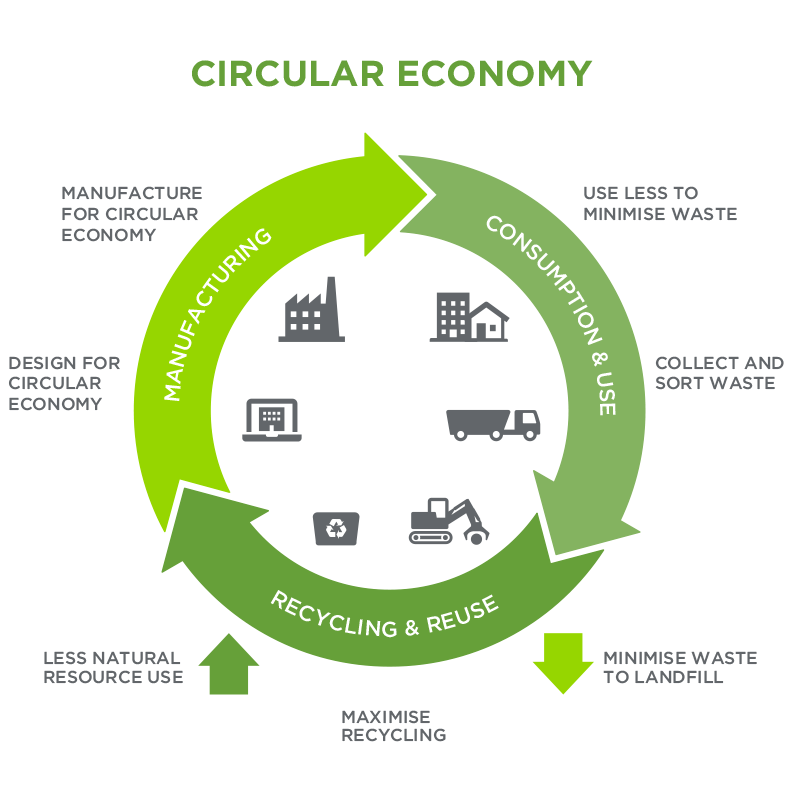
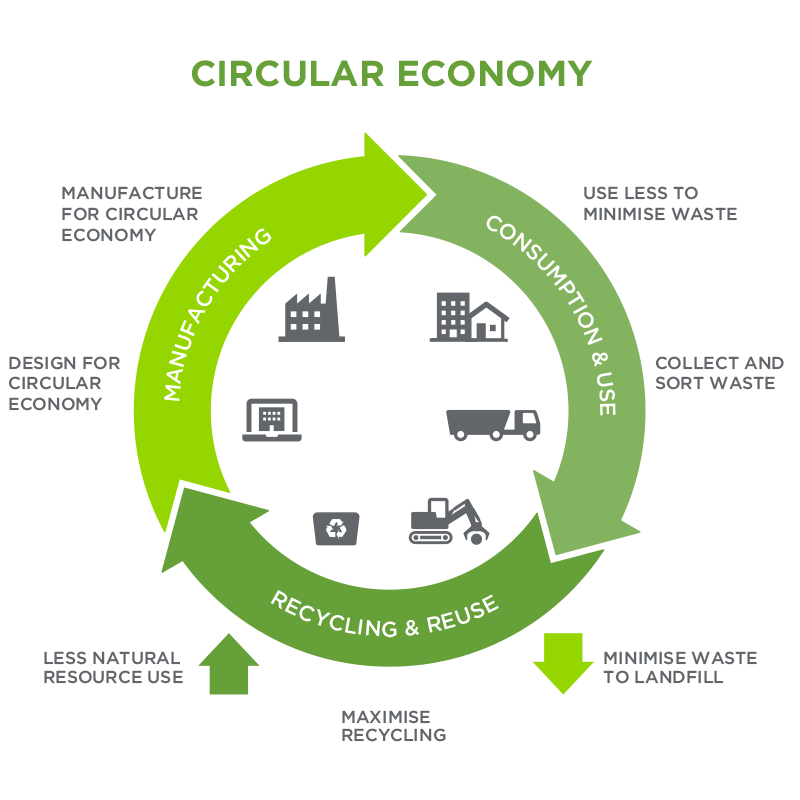
The circular economy is an approach in which products are designed and used in a sustainable manner, thus minimizing waste and using resources more efficiently. Unlike the traditional linear model of the economy, where raw materials are extracted, processed into products, and then discarded after use, the circular economy aims to close the material cycle to minimize waste and use resources more efficiently.
Why is it so important for the life cycle of objects, materials, or products to remain closed?
The most obvious reason is to minimize the amount of waste. We should start by using our resources more efficiently and then subjecting them to appropriate recycling. This reduces greenhouse gas emissions and limits the amount of waste that ends up in landfills or pollutes the air and water. According to the World Health Organization, approximately 2.01 billion tons of waste are produced worldwide each year. The number is huge, and what is most alarming is that it continues to grow. It is estimated that by 2050, the amount of waste could increase by as much as 70%.
Acting according to the circular economy allows for an increase in the efficiency of resource utilization. This reduces the costs associated with the purchase of raw materials and waste, as well as the costs of their storage and transportation.
Equally important, the circular economy promotes the development of innovative technologies and products. Promoting repair and reuse of products after use, as well as designing products with recycling in mind, requires the use of modern solutions and technological processes. Thanks to this, the circular economy contributes to increased competitiveness and employment.
The main principles of action consistent with the circular economy
Minimizing waste and using resources more efficiently: Designing products with reuse in mind, as well as promoting repair and reuse of products after use.
2. Introduction of sustainable development principles: In the circular economy, sustainable development principles are key. This means that resources and materials are used in a way that does not exceed the natural ability of ecosystems to regenerate and also minimizes negative impact on the environment.
3. Encouraging cooperation between stakeholders: In the circular economy, cooperation between various stakeholders such as producers, suppliers, customers, service technicians, and recycling companies is important. This cooperation allows for the creation of a closed cycle in which products are reused, and waste is minimized.
How does subscription fit into the principles of the circular economy?
The prevailing consumerism results in the market being flooded with billions of products, whose lifecycle manufacturers are unable to control. The shift in thinking that will lead us to limit the number of items we purchase is revolutionary and not everyone is on board with it.
Subscription is a compromise between our desire to have and to be (having the ability to use devices or items that may not be essential to us, but significantly affect our comfort of life, while not adding another brick to the destruction of the environment).
Instead of buying products that will be discarded after use, a subscription allows access to them for a certain period of time, after which they are returned to the manufacturer or the subscription company. This gives them the opportunity for regular servicing and refurbishing of devices, significantly extending their lifespan and enabling them to be reused by multiple subsequent customers.
In the traditional linear economy model, producers must acquire new resources to produce new products. Subscription, on the other hand, favors more efficient resource utilization. It is precisely because they can be reintroduced to the market, rather than acquiring new resources for the production of new ones.
What small steps can we take to bring our company one step closer to operating in line with the circular economy?
Transforming your business in accordance with the principles of the circular economy is a long process that requires systematic work and significant changes. However, there are actions that we can start taking right away.
Implementation of item subscriptions that we produce or distribute. WeSub offers free tools that enable the addition of a subscription as a payment method to the standard purchase offer.
2. Appropriate emphasis on the service of offered devices, offering additional insurance, regular servicing, and ensuring high-quality spare parts can significantly extend the product’s lifecycle, so let’s encourage customers to use our additional services.
3. Introduce items with a longer lifespan, good quality raw materials from which the item is made, along with the ability to exchange individual parts, will allow for maximum use of the device before its disposal.
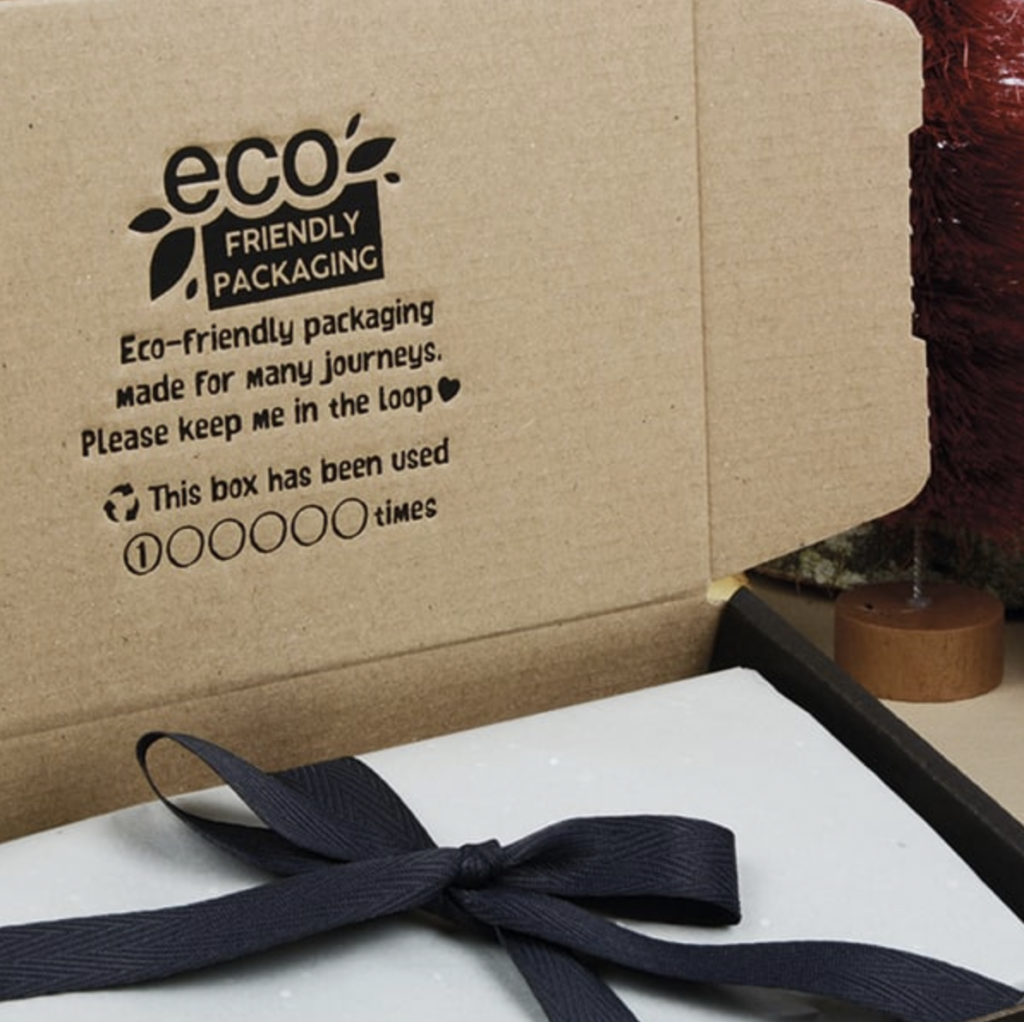
4. Minimizing waste by reducing the amount of paper used, using e-invoices, or ceasing to use disposable products are the smallest steps we can take. Let’s also make sure to use eco-friendly packaging for shipments.
We don’t have to take all these steps at once, but it’s worth taking care of the business awareness that the need to change our linear economy to a circular one is real and requires attention here and now. The sooner we join this revolution, the more time we will have to adapt properly.
In the digital age, concepts such as the sharing economy are gaining increasing popularity. But what exactly does this term mean, and why is it becoming so significant in today’s world?
In a world where digital technology enables easier access to resources and services, and environmental awareness is growing, the sharing economy becomes an answer to new social and economic needs. It is a model that transforms the traditional approach to consumption and ownership, promoting more sustainable and efficient use of resources.
What is the Sharing Economy?
The sharing economy is not just a trend but a revolution in the way societies and economies function. It is based on the idea that sharing goods and services can be more beneficial than individual ownership.
This shift from ownership to access has significant implications for both consumers and businesses. It affects how we produce, sell, and consume products, as well as how we manage natural resources and the environment.
In this context, the sharing economy becomes a symbol of a modern, sustainable approach to life and work. On one hand, it provides people with greater flexibility and choice, allowing access to a wide range of services and products without the need to purchase them.
On the other hand, it contributes to reducing waste, promoting efficient resource use, and lessening the negative impact on the environment.
Popular Examples and Awareness of the Model
Many Poles are unaware of what the sharing economy concept entails. According to the “Poles and the Sharing Economy” study conducted for BIG InfoMonitor in collaboration with Gleevery, only 18% of Poles declare knowledge of the sharing economy model, indicating a need for further education in this area. Especially since many popular companies operating in the market are based on sharing.
-Car-sharing, such as Panek, which allows renting a car by the minute, or applications like Bolt and Uber enabling rides, and even scooter rentals. A great example of car-sharing is also BlaBlaCar, a platform where you announce your trip and look for passengers who also need to travel to the same place.
-Home-sharing, like Airbnb, platforms such as Airbnb allow short-term rental of apartments or rooms, offering an alternative to hotels. It enables owners to earn from unused living space, providing travelers with more flexible and often cheaper options.
-Bike-sharing, urban bicycle rental systems, like Veturilo in Warsaw, are an example of how the sharing economy can support ecological transport methods and promote an active lifestyle.
-Tool-sharing, tool rental allows the use of specialized equipment for a specified time, which is particularly useful in situations where the needed tool is expensive or used sporadically.
-Co-working, shared workspaces, such as WeWork, offer flexible working spaces for freelancers, startups, and remote workers. They promote collaboration and the creation of professional communities, while reducing the costs associated with renting a traditional office.
Developing awareness of these models and their benefits is key to enabling more people to use them and appreciate their value, both in terms of personal benefits and positive impact on the environment and society.
According to a PwC report, the global revenue generated by the sharing economy, in just 5 key sectors (financial and professional services, transport, hospitality, tourism), will reach 335 billion USD by 2025.
Equipment Subscription as a New Trend
The equipment subscription model, such as for phones or computers, is becoming an increasingly popular element of the sharing economy. This trend changes the traditional approach to owning electronics.
Instead of buying and owning devices permanently, consumers can now subscribe to access the latest technologies, regularly exchanging them for newer models while returning the old ones. Returned devices get a second life, delighting the next user. Since the equipment is thoroughly checked every year and any faults are regularly repaired, the device can extend its life cycle even twice.
It’s worth adding that subscription is a decidedly more affordable solution – we don’t have to bear the high costs of a one-time purchase or repay the full value of the phone through installments and leasing.
The equipment subscription model shows how the sharing economy can be applied in various fields, offering innovative solutions that meet the changing needs and expectations of modern consumers. Especially since it is constantly evolving in terms of product range.
At WeSub, we started with simple equipment like phones or laptops, but we have long since begun including products such as photographic equipment, EMS devices, gaming consoles, or air purifiers in our offer. This allows us to meet the needs of a very wide group of customers and effectively spread the idea that we don’t have to own everything.
The Future of the Sharing Economy
The future of the sharing economy appears to be extremely promising, opening up new possibilities for ways of consumption and positively impacting the environment. According to our perspective, the sharing economy has the potential for further development and evolution in directions such as:
Technology as a Catalyst: Progress in digital technology will continue to drive the development of the sharing economy.
Personalization and Service Integration: The sharing economy is expected to become increasingly personalized and integrated with other services. For example, stores offering subscriptions might offer customized protection packages or accessories.
Sustainable Development: As ecological awareness grows, the sharing economy will play a key role in promoting sustainable development. Waste reduction, better resource utilization, and decreased CO2 emissions are just some of the environmental benefits of this model.
Expansion into New Markets: The sharing economy has the potential to expand into new markets and industries where sharing is not yet common. We can expect new innovative models of sharing in various sectors of the economy.
Community and Sharing Culture Development: The culture of sharing, which contributes to building communities and strengthening social ties, will become increasingly important. The sharing economy can also promote a more inclusive and accessible society.
Therefore, the future of the sharing economy seems to be not only a path to more efficient resource utilization but also a way to build a more sustainable and socially responsible future.
The world of corporate financing is evolving rapidly. As regulatory frameworks adapt and customer expectations shift, companies across Europe are reimagining how they access and manage essential equipment. A growing number of firms are moving away from ownership—and even traditional leasing—toward flexible subscription-based models. This shift marks the beginning of a more agile, sustainable, and digital-first approach to financing.
A Legal Breakthrough: Remote Leasing Made Possible
Remote contract signing without wet ink signatures;
Use of non-qualified digital signatures for lease agreements;
Full digitalization of the leasing process, from onboarding to activation.
The result? A more streamlined, customer-centric leasing experience that removes friction and accelerates time-to-asset access.
The Rise of Equipment-as-a-Service
Looking ahead to 2040, the leasing industry anticipates a complete transition to what we now call equipment-as-a-service. This is not just a trend—it’s a reflection of changing business priorities. Access, not ownership, is becoming the dominant paradigm.
Today’s business leaders want to:
Use assets on-demand, without committing to long-term ownership;
Avoid large capital expenditures and instead adopt operational flexibility;
Delegate asset management, insurance, and lifecycle responsibility to the provider.
Key Differences Between Leasing and Subscription Models
Classic Leasing
Asset Subscription Model
Client typically buys the asset at end
Client pays for usage only—no ownership
User assumes full asset responsibility
Provider handles maintenance and lifecycle
Fixed contractual terms
Flexible plans with upgrade opportunities
This model empowers businesses to focus on what they do best—while accessing the tools they need with minimal friction and predictable costs.
Sustainability at the Core: Managing Eco-Assets Responsibly
In a subscription-based setup, the provider retains ownership, which opens the door to more sustainable and circular asset management. Providers are incentivized to:
Extend the life of assets through refurbishment and reuse;
Collaborate more closely with manufacturers, service providers, and insurers;
Reduce waste and carbon footprint across the asset lifecycle.
This approach supports a broader ESG agenda and aligns with the expectations of environmentally conscious businesses and investors.
WeSub: Powering the Subscription Economy for Business
At WeSub, we enable manufacturers, leasing companies, and distributors to launch and scale their own subscription-based business models. Our platform offers:
Seamless automation of subscription flows, powered by tools like RentPay;
Integration with leading ERP and CRM systems;
Real-time asset tracking and billing transparency;
Complete support for recurring revenue streams and flexible contract structures.
Whether you’re offering hardware, vehicles, or industrial equipment, WeSub equips you to meet your clients’ needs—digitally, efficiently, and sustainably.
Why Subscriptions Make Business Sense
The subscription model brings clear benefits to B2B providers:
Predictable cash flow through recurring billing;
Faster time to market and improved customer retention;
Operational agility through scalable asset utilization;
Lower risk and higher control over asset deployment and returns;
Stronger alignment with ESG goals via responsible lifecycle management.
The Future of Leasing Is Subscription-First
What was once viewed as a radical shift is now becoming standard. Business asset subscription models are redefining how organizations think about ownership, financing, and efficiency. Companies that embrace this shift early will gain a measurable competitive advantage—in both growth and sustainability.
As technology enthusiasts, we always eagerly anticipate what Apple has in store for us during their conferences. This time was no different, and it wasn’t just us; over 2.2 million people were watching the live announcements on YouTube.
Last night, this event was particularly exciting as it marked the grand premiere of the iPhone 15, and we can confidently say that Apple has once again pushed the boundaries of innovation.
However, will what the new devices offer be enough to convince existing users to upgrade immediately? Especially considering that the prices of the devices have been raised once again.
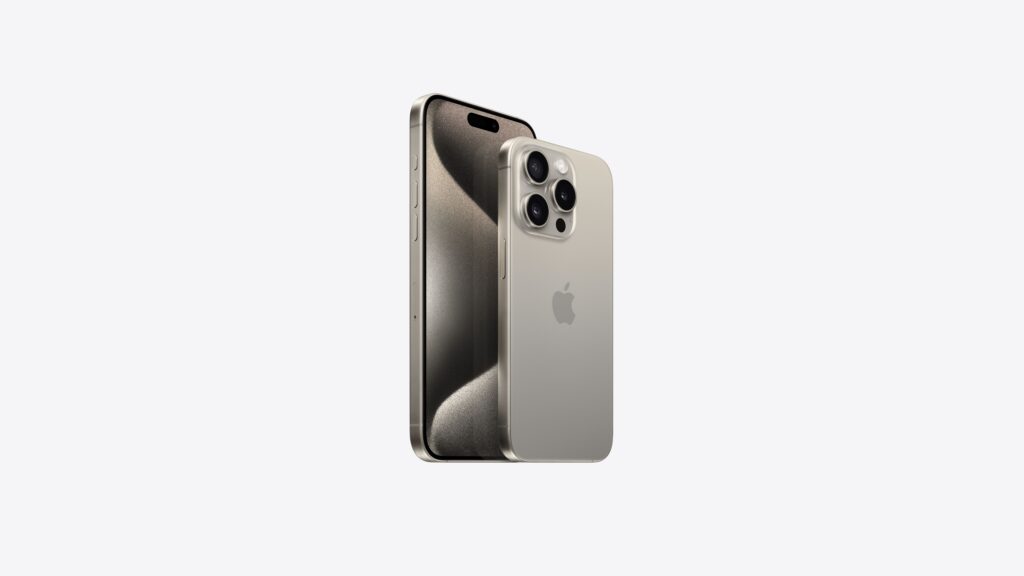
During the iPhone 15 premiere, a quartet of devices was showcased, including the iPhone 15, iPhone 15 Plus, iPhone 15 Pro, and iPhone 15 Pro Max. These devices promise a range of changes that are sure to catch the attention of technology enthusiasts worldwide.
One of the most significant but expected changes is the introduction of dynamic islands to every model, a feature previously exclusive to the iPhone 14 Pro and Pro Max. This feature was particularly well-received by users last year, so it was natural to see this technology being carried over to the new models.
Among our customers, we witnessed a significant trend of opting for better devices – the iPhone 14 Pro and Pro Max were the most frequently subscribed devices in our offering throughout the past year.
What aspects unknown to us from previous models were considered in the production of the iPhone 15?
Apple made a crucial move towards standardization by introducing the USB-C port across all models, ensuring faster charging and data transfer.
source: https://www.apple.com
The battery capacity has also been increased by 12%, providing more endurance for challenging days. Interestingly, iPhone 15 users will be able to charge their AirPods Pro (2nd generation) or Apple Watch directly from the iPhone through the new port so this increased battery may come in handy.
One of our favorite changes is the shift to a titanium construction, which we were able to experience earlier with the Apple Watch Ultra. We are particularly intrigued by this move, given the rise in popularity of used iPhones and the common problem of damaged casings. Every month, we see several phones returning to us, and it’s rare for them to be in perfect condition. Therefore, we can’t wait to see if the titanium casing truly impacts the durability of iPhones over an extended period of use.
It’s worth noting the camera improvements, with a 48MP primary sensor and a 12MP ultra-wide-angle sensor that will surely delight photography enthusiasts. Furthermore, the camera interface now features a long-awaited quick zoom button.
An unusual addition is the new action button, previously known as the volume mode switch. Instead of toggling, we will simply press it to switch between silent and normal mode.
What’s even more interesting is that it can be customized to perform various tasks, such as launching the camera, opening frequently used apps, or simply taking screenshots. In short, even greater customization possibilities for your iPhone to meet your needs and expectations. We like that!
However, not all the changes we expected have been included; the base models still operate with a 60Hz refresh rate. For those seeking a more efficient device, the Pro and Pro Max models will be more suitable.
source: https://www.apple.com
Now, let’s move on to the key pricing information.
iPhone 15 starts at $899.
The larger iPhone 15 Plus is priced at $999.
iPhone 15 Pro comes in at $1199.
iPhone 15 Pro Max / Ultra commands a price of $1299.
Market opinions are divided. Some believe that the introduced changes don’t justify the cost of upgrading to the latest Apple model.
For those looking for an alternative, subscription services present an attractive option. By paying a fixed monthly fee, users can enjoy the latest technology each year, with minimal impact on their budget. This trend is expected to continue with future releases, offering technology enthusiasts a straightforward and cost-effective option to stay up-to-date without significant one-time investments.
In today’s world, where our natural resources are being increasingly exploited, inevitably leading to their depletion, and environmental pollution is on the rise, we need to change our approach to the economy. The answer is the increasingly popular model of the circular economy.
What is a circular economy?
The circular economy is an approach in which products are designed and used in a sustainable manner, thus minimizing waste and using resources more efficiently. Unlike the traditional linear model of the economy, where raw materials are extracted, processed into products, and then discarded after use, the circular economy aims to close the material cycle to minimize waste and use resources more efficiently.
Why is it so important for the life cycle of objects, materials, or products to remain closed?
The most obvious reason is to minimize the amount of waste. We should start by using our resources more efficiently and then subjecting them to appropriate recycling. This reduces greenhouse gas emissions and limits the amount of waste that ends up in landfills or pollutes the air and water. According to the World Health Organization, approximately 2.01 billion tons of waste are produced worldwide each year. The number is huge, and what is most alarming is that it continues to grow. It is estimated that by 2050, the amount of waste could increase by as much as 70%.
Acting according to the circular economy allows for an increase in the efficiency of resource utilization. This reduces the costs associated with the purchase of raw materials and waste, as well as the costs of their storage and transportation.
Equally important, the circular economy promotes the development of innovative technologies and products. Promoting repair and reuse of products after use, as well as designing products with recycling in mind, requires the use of modern solutions and technological processes. Thanks to this, the circular economy contributes to increased competitiveness and employment.
The main principles of action consistent with the circular economy
Minimizing waste and using resources more efficiently: Designing products with reuse in mind, as well as promoting repair and reuse of products after use.
2. Introduction of sustainable development principles: In the circular economy, sustainable development principles are key. This means that resources and materials are used in a way that does not exceed the natural ability of ecosystems to regenerate and also minimizes negative impact on the environment.
3. Encouraging cooperation between stakeholders: In the circular economy, cooperation between various stakeholders such as producers, suppliers, customers, service technicians, and recycling companies is important. This cooperation allows for the creation of a closed cycle in which products are reused, and waste is minimized.
How does subscription fit into the principles of the circular economy?
The prevailing consumerism results in the market being flooded with billions of products, whose lifecycle manufacturers are unable to control. The shift in thinking that will lead us to limit the number of items we purchase is revolutionary and not everyone is on board with it.
Subscription is a compromise between our desire to have and to be (having the ability to use devices or items that may not be essential to us, but significantly affect our comfort of life, while not adding another brick to the destruction of the environment).
Instead of buying products that will be discarded after use, a subscription allows access to them for a certain period of time, after which they are returned to the manufacturer or the subscription company. This gives them the opportunity for regular servicing and refurbishing of devices, significantly extending their lifespan and enabling them to be reused by multiple subsequent customers.
In the traditional linear economy model, producers must acquire new resources to produce new products. Subscription, on the other hand, favors more efficient resource utilization. It is precisely because they can be reintroduced to the market, rather than acquiring new resources for the production of new ones.
What small steps can we take to bring our company one step closer to operating in line with the circular economy?
Transforming your business in accordance with the principles of the circular economy is a long process that requires systematic work and significant changes. However, there are actions that we can start taking right away.
Implementation of item subscriptions that we produce or distribute. WeSub offers free tools that enable the addition of a subscription as a payment method to the standard purchase offer.
2. Appropriate emphasis on the service of offered devices, offering additional insurance, regular servicing, and ensuring high-quality spare parts can significantly extend the product’s lifecycle, so let’s encourage customers to use our additional services.
3. Introduce items with a longer lifespan, good quality raw materials from which the item is made, along with the ability to exchange individual parts, will allow for maximum use of the device before its disposal.
4. Minimizing waste by reducing the amount of paper used, using e-invoices, or ceasing to use disposable products are the smallest steps we can take. Let’s also make sure to use eco-friendly packaging for shipments.
We don’t have to take all these steps at once, but it’s worth taking care of the business awareness that the need to change our linear economy to a circular one is real and requires attention here and now. The sooner we join this revolution, the more time we will have to adapt properly.
Revenue Based Financing (RBF) is one of the new and popular ways of financing small and medium-sized enterprises (SMEs) worldwide. Compared to traditional forms of financing such as bank loans or stock issuances, RBF offers a simpler and faster process of raising funds, as well as being less risky.
How does Revenue Based Financing work?
In Revenue Based Financing, the lender provides a loan that is dependent on the company’s revenues. This means that the higher the company’s revenues, the more financing it can obtain.
For entrepreneurs who are seeking funding but do not want to sell shares in their company or do not have the ability to provide collateral such as a mortgage or guarantee, Revenue Based Financing is an ideal solution. RBF is more flexible and less risky than traditional forms of financing and also offers the possibility of obtaining financing without the need for a long credit history.
It is worth noting that RBF is particularly useful for smaller or medium-sized expenditures for ongoing expenses and business needs. The huge advantage of this solution is fewer formalities than traditional bank loans, which speed up the process of obtaining financing.
As a company that aims to offer comprehensive solutions supporting other businesses in business transformation, we have decided to launch our own innovative financial product based on RBF principles.
WeSub has prepared an offer of a loan for PlanetPay Acceptors, which is a quick and hassle-free form of obtaining financing, devoid of unnecessary formalities and long waiting for a decision. Based on the collected revenue data, we propose obtaining funds that can be carried out entirely online, without the need for additional documents.
Our offer allows for the use of funds for any purpose, such as promotion, stocking, development, or the purchase of additional services needed to improve business operations.
It should be emphasized that our loan does not involve any hidden costs, and the repayment amount remains unchanged. The only costs associated with obtaining a loan are the amount of the first two installments, which will be deducted from the final loan amount transferred to the borrower’s account.
Its additional differentiator is the fact that the borrower does not have to worry about accumulating the funds needed to pay the installment or remember to make regular transfers. The loan is automatically repaid each month from a portion of the generated turnover.
The amount of the offered loan depends, of course, on the number of revenues and current needs, which is why the amounts we propose start from PLN 2,000 and reach PLN 30,000. Repayment is always spread over 12 fixed installments, and the funds are paid out within two business days.
Nowy produkt w ofercie WeSub, poznajcie nasz sposób na pożyczki oparte na przychodach.
Revenue Based Financing (RBF) jest jednym z nowych i popularnych sposobów pozyskiwania finansowania dla małych i średnich przedsiębiorstw (MŚP) na całym świecie. W porównaniu z tradycyjnymi formami finansowania, takimi jak pożyczki bankowe czy emisje akcji, RBF oferuje prostszy i szybszy proces pozyskiwania środków, a także jest mniej ryzykowne.
Jak działa Revenue Based Financing?
W Revenue Based Financing pożyczkodawca udziela pożyczki, której wysokość uzależniona jest od przychodów przedsiębiorstwa. To oznacza, że im większe przychody firma generuje, tym większe finansowanie może pozyskać.
Dla przedsiębiorców, którzy poszukują finansowania, ale nie chcą sprzedawać udziałów w swojej firmie lub nie mają możliwości przedstawienia zabezpieczeń takich jak hipoteka czy poręczenia, Revenue Based Financing jest idealnym rozwiązaniem. RBF jest elastyczniejsze i mniej ryzykowne niż tradycyjne formy finansowania, a także oferuje możliwość uzyskania finansowania bez potrzeby posiadania długiej historii kredytowej.
Warto zwrócić uwagę, że RBF jest szczególnie przydatne w przypadku mniejszych lub średnich wydatków na bieżące wydatki i potrzeby firmy. Ogromną przewagą tego rozwiązania jest mniejsza ilość formalności niż tradycyjne pożyczki bankowe, co przyspiesza proces pozyskiwania finansowania.
Jako firma, która dąży do oferowania kompleksowych rozwiązań wspierających inne przedsiębiorstwa w transformacji biznesowej, postanowiliśmy wypuścić na rynek własny innowacyjny produkt finansowy, oparty za założeniach RBF.
WeSub przygotował dla Akceptantów PlanetPay ofertę pożyczki, która stanowi szybką i bezproblemową formę pozyskania finansowania, pozbawioną zbędnych formalności i długiego oczekiwania na decyzję.
Opierając się na zgromadzonych danych o przychodach, proponujemy proces pozyskania środków, który można przeprowadzić w całości online, bez konieczności przedstawiania dodatkowych dokumentów.
Nasza oferta pozwala na dowolne wykorzystanie środków, które mogą zostać przeznaczone na cele takie jak promocja, zatowarowanie, rozwój czy wykupienie dodatkowych usług potrzebnych do poprawy funkcjonowania biznesu.
Należy podkreślić, że w ramach naszej pożyczki nie występują żadne ukryte koszty, a kwota spłaty pozostaje niezmienna. Jedyne koszty związane z pozyskaniem pożyczki to wysokość dwóch pierwszych rat, które zostaną odjęte od ostatecznej kwoty pożyczki, przelanej na konto pożyczkobiorcy.
Jej dodatkowym wyróżnikiem jest fakt, że Pożyczkobiorca nie musi przejmować się gromadzeniem środków potrzebnych na spłatę raty, ani pamiętać o regularnych przelewach. Pożyczka jest bowiem co miesiąc automatycznie spłacana z części generowanych obrotów.
Wysokość oferowanej pożyczki zależy oczywiście od wysokości przychodów, ale również od aktualnych potrzeb, dlatego proponowane przez nas kwoty zaczynają się już od 2 000 złotych i sięgają 30 000 zł. Spłata jest zawsze rozłożona na 12 stałych rat, a środki wypłacane są w ciągu dwóch dni roboczych.
Packaging – a never-ending story of new trends and the eternal struggle for supremacy: whether it is good design or, above all, its protective function. My answer is the only correct one: both, and also meeting the needs of consumers in terms of… ecology and unboxing experiences.
Some of you are probably wondering whether you should actually take the trouble to take care of so many elements. If you don’t take my word for it, believe the professional researchers on the subject, who in their article The effect of new package design on product attention, categorization and evaluation published in the renowned Journal of Economic Psychology clearly demonstrated (after conducting a series of studies on a really large sample of consumers) that it is especially in areas related to the impulsive system and the sense of reward centers. This is extremely important especially if you are sending a customer their first order – after all, as we all know, a good first impression can only be made once.
That is why in today’s article I am going to talk about the most important things: the power of graphic design (in fact, the infinite power behind each graphic designer), the wisdom of taking care of the planet with packaging, and the fact that it is possible to add an extra cherry on top of the packaging cake. Enjoy!
Go eco!
I will get straight to the specifics – which in my opinion are by far the most important. Nowadays, when planning a packaging design, you need to have an idea in the back of your mind about the material it will be made of. And let me be clear: it should be ecological.
As Trivium Packaging’s research in its ‘2021 Buying Green Report‘ emphatically demonstrates, there are no illusions: what online shoppers want is for all brands to care about the state of the planet. More and more online shoppers (also from your client list) are willing to pay more for environmentally friendly packaging (70% of respondents on average; including 83% of respondents under the age of 40 and famous gen Z). Not even the outbreak of the Covid pandemic has affected this trend – 67% of clients consider the ability to choose recyclable packaging to be extremely important when making a purchasing decision. Focusing on sustainable packaging is not only a nod to ecology, but also a real response to market needs.
It is therefore worthwhile not to wait any longer – but to make a bold decision now and take on even the biggest challenges in terms of eco topics. Of course, the most eco-friendly packaging is that which…. does not exist. However, as I myself have worked for years in e-commerce support companies, I do not intend to persuade anyone to give up their job and stop production. In fact, here is the good news – we live in times when you have a truly infinite number of possibilities, and when it comes to sustainability – the sky is the limit! Today’s shipping world offers a lot: from packaging made from fully sustainable and biodegradable materials, or even made from so-called biological sources (compostable materials made from food waste, mushrooms, or…corn)., to fully personalized packaging tailored to your brand’s customers.
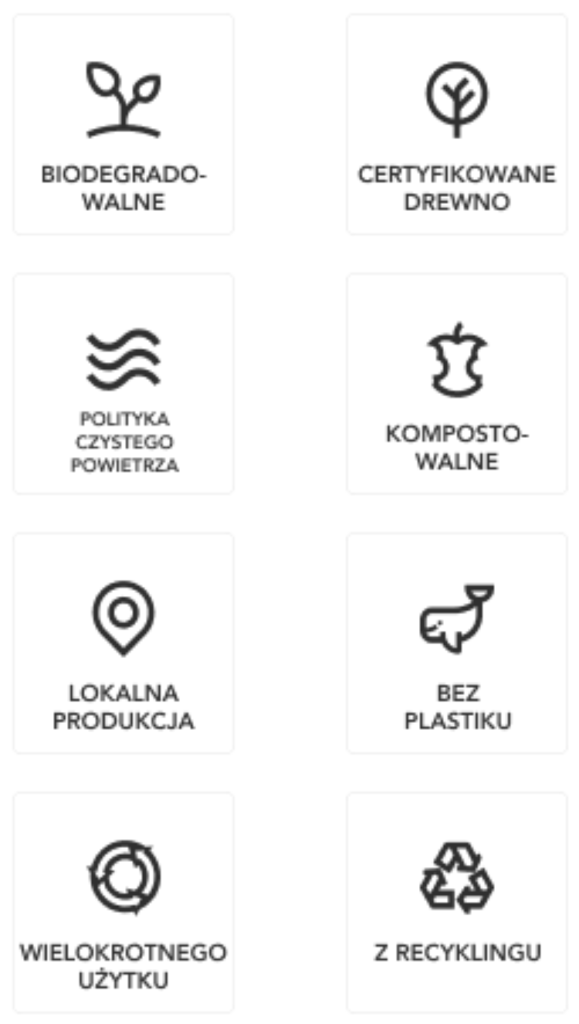
Once you have set your sights on this green launch and the future of the planet – with creative, environmentally friendly packaging innovation – be sure to share this knowledge with your customers. How to do it? Get inspired by Packhelp’s idea for eco-friendly green icons:
Pro-tip: What else but the eco material itself? Opt for smaller packages – the less material you use for packaging, the better the cost for you – and the better for the environment. If you can better match the size of the packaging to the contents, you can also use fewer fillers to protect the item you are sending.
ig ideas make good stories – also in terms of new design. It may sound like a buzzword – but it is borne out even in the admitted… Nobel prizes. You’ve probably heard of behavioural economics and David Kahneman – who was awarded this most important scientific accolade for, among other things, his discoveries concerning the decision-making of shoppers by means of the so-called system 1 and system 2. The former is quick and intuitive, the latter is rational and used in these rather complex “purchase” decisions – e.g. about taking a loan from a bank.
The former is used for cheaper everyday purchases – which also means that we often choose what is familiar and simply beautiful and eye-catching. Example? We all associate the famous pepsico design and, even when we close our eyes, we see the blue colour and the typical font. This makes us more inclined to use their products than those of their upstart competitors.
However, we do not need to employ a design director or an external design firm. At the end of the day, it’s about being consistent – putting your logo on the box, choosing extras such as padding or ribbon in your brand colours. Effective design doesn’t have to be expensive – well done branding allows you to play with materials, colours and fint within the framework of the so-called brand book. The rest is a matter of creativity.
Here’s the inspiration – a box created by Progress Packaging for the Womenhood brand. Project is completely colour-coordinated – we have a pink box and pink tissue paper to protect the underwear packed in it. Importantly, it’s consistent with the brand culture – as show an the below case studies, creatives reflect the brand eco mission by the use of eco-friendly materials: the boxes were printed in litho and made of e-flute cardboard and enriched with crocodile tear strips to avoid the need for additional taping of the box. You can see for yourself: a real simple design made with passion!
Key role of creative creation in unboxing experience
What influences purchasing decisions, customer loyalty and brand satisfaction are… (also) emotions. However, they cannot be aroused without a little effort.
The last few years have shown us that packaging is an art form and that the battle to win the hearts of customers is a battle that can be won either on the defensive or with a shield. Therefore, take care of the customer experience – at a small ecological cost.
How do you do this?
Ask your team to add a handwritten note to the eco-pack thanking you for your purchase. Include instructions printed on recycled paper on how to use and properly care for your product. Include free samples of other products in the box (long live cross and up-selling!). Take care of the inside of the packaging with tissue paper – and if you want to take care of the planet even more and emphasise the role of ecology in your company culture you can establish collaboration with companies planting trees, helping to give things a second life etc. – and add this information to your customers’ orders with a little incentive to support environmental actions.
Summing up: the art of packaging, creative projects and brand design
You don’t have to become chief creative officer or even an executive creative director to make the boxes both beautiful and functional. You should, however, put a key focus on all the elements mentioned above: including brand strategy in the pack design, remember that ecology nowadays really matters (even if it were to mean only the use the easiest way of recycled materials) and make the unboxing moment an exciting time.
Online sales is somewhat of a creative industry: both in terms of product range, sales and marketing techniques, but above all in terms of standing out in a highly competitive market. Trends are changing in a really dynamic way – so take care of the brand design together with your design team and creative leaders, including the shipping boxes for your outstanding products!
Text prepared by:
Marta Michałowska – has been involved in marketing for over 8 years. She is currently the Head of Marketing at Linker Cloud. She gained experience in the insurance and technology industries and also has an agency perspective. She is a Ph.D. candidate and academic lecturer at the University of Warsaw, a mentor at the Youth Business Poland technology incubator, and at Digital University. She is also the author of articles in Nowa Sprzedaż, Online Marketing Magazyn, Marketer+ magazines, and on portals such as Marketing przy Kawie, Interaktywnie.com, G2 Crowd, and Grafmag. She is a speaker at conferences, including Internet Beta and Środa Dzień Bloga.
If we are already sure that subscription is the direction in which we want to develop our business, we face the problem of how to start.
First of all, it is worth seeking support from more experienced people. There is no need to reinvent the wheel if already proven methods are on the market. At WeSub, we always start the change process with a conversation about the product or service offered by the company, because that’s what the whole idea is based on.
What is its greatest value?
In the case of electronic equipment, it is the technology it offers – the ability to launch the newest programs, watch movies in high definition or listen to music in a quality that will satisfy even the most demanding audiophiles. Another example is the beauty market, where cosmetic equipment can be components used in their production, thanks to which the treatment performed with their use brings additional value, such as reducing discomfort or rt or additional slimming properties.
How do services offered by WeSub look like? Let’s view the accounting first. What is the most important value for our client? The scope of invoicing and HR services may vary from month to month, so flexibility is important. We want to use a package that will be perfectly suited to us – not too expensive, since we will not use it in a given month anyway, and not too narrow, so as not to worry about additional formalities if necessary. A subscription allows us to build an offer tailored to our client and his current, real needs, not those we think we have.
Presenting the potential customer with the benefits that they will gain by deciding to subscribe instead of buying is the first step in building our communication. By buying an item a customer becomes its owner for the next few years and can use it as long as it meets their expectations. There are people for whom this model works perfectly, but if someone cares about the value of using new devices, evolving technologies quickly make the equipment not as attractive as it was. It shows that the purchase won’t be an option that will satisfy customers’ expectations.
The same situation applies to the use of items, where trends often change. A subscription eliminates the need to spend large amounts of cash at once or make decisions that will affect us for the next few years. It allows us to adjust our decisions to current needs. In the situation when I need a camera but don’t know if this lens will work for me in the long run, I can subscribe and at the earliest opportunity give back, exchange, or extend the subscription. It is simple!
It is a fact that leasing, loans, or delayed payments are more popular than a subscription right now, but in the future, it can easily change. People need a moment to recognize the possibilities, trust companies, and even start considering this option of financing. Taking steps towards building a subscription offer now will allow us to wait, ready for customers who will slowly start looking for more flexible solutions.
With WeSub, you have many options to build a subscription offer. We allow entrepreneurs to use our brand – depending on the target group, we have WeSub offering B2B and RentUp services for ordinary consumers. If you don’t feel ready to create your subscription offer, or you prefer to see how customers react first, you can communicate that you have added a subscription to your request, which is taken care of by WeSub. The second option is to create your own “product”, under your brand, which WeSub will only support from the operational side.
For the supplier or manufacturer, the subscription doesn’t carry any risk. Once the customer concludes the subscription agreement, WeSub repurchases the subscribed item and takes care of it for the duration of the contract.
After deciding how you want to build your new offer, WeSub adjusts tools that suit your sales channels. You can decide to offer a subscription in a stationary or online store or create a separate sales platform that will only be responsible for the subscription distribution of items. All this is possible thanks to a simple system that you can start and stop at any time.
WeSub always emphasizes that communication is as important as building a good subscription offer. We try our best to educate customers about the possibilities of financing their future purchases. Without spreading the knowledge of a subscription model, it would be difficult for us to attract and convince clients. What is more, we support our partners in all marketing activities they choose to promote subscriptions.